Friction is the only thing that kills an inventory
Pantry systems rarely fail from lack of motivation. Everyone who sets one up wants it to work.
They fail from arithmetic. If adding a product takes a minute, and a normal shopping trip is thirty products, keeping the inventory current costs half an hour a week, on top of the shopping and the unpacking. Nobody sustains that, and nobody should.
At ten seconds a product the same trip costs five minutes, and five minutes happens naturally while you are already putting things away. That is the entire difference between a system that survives and one that gets quietly abandoned in week two.
What scanning actually does
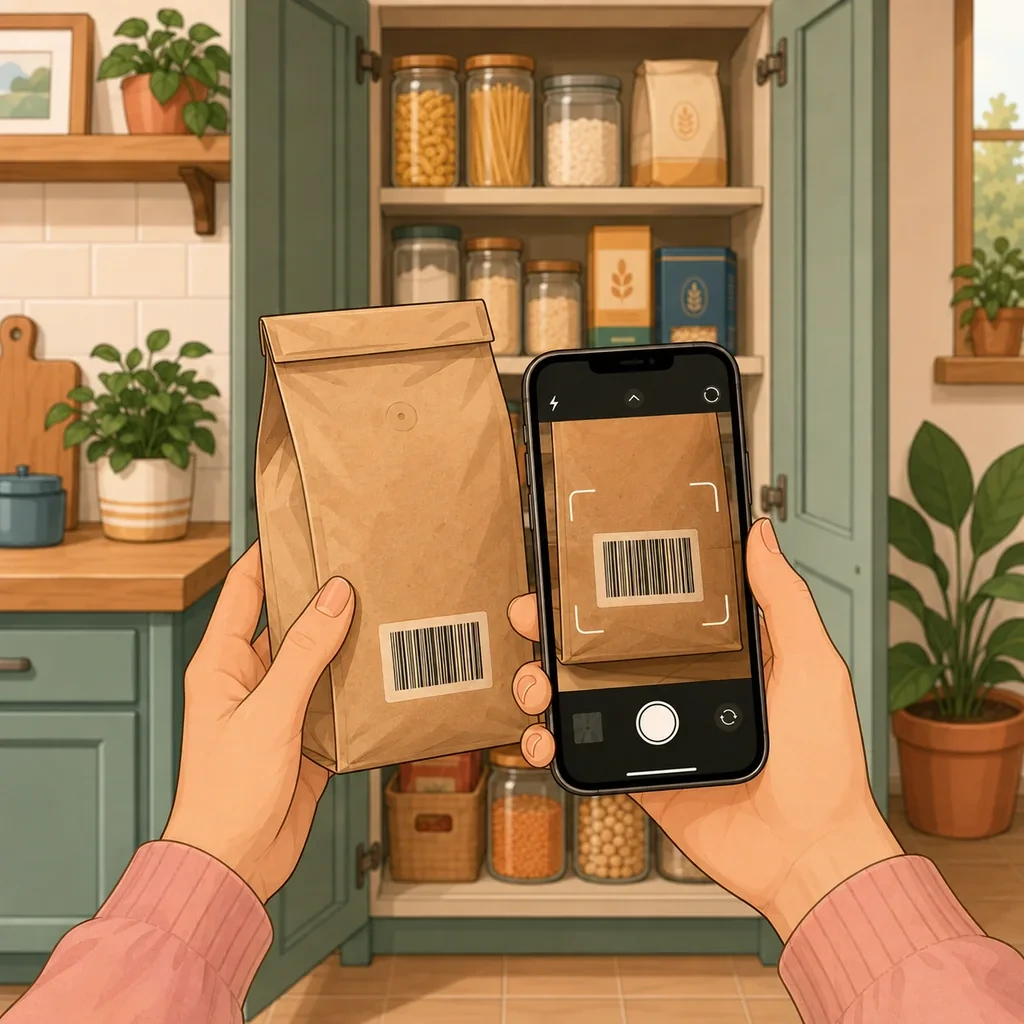
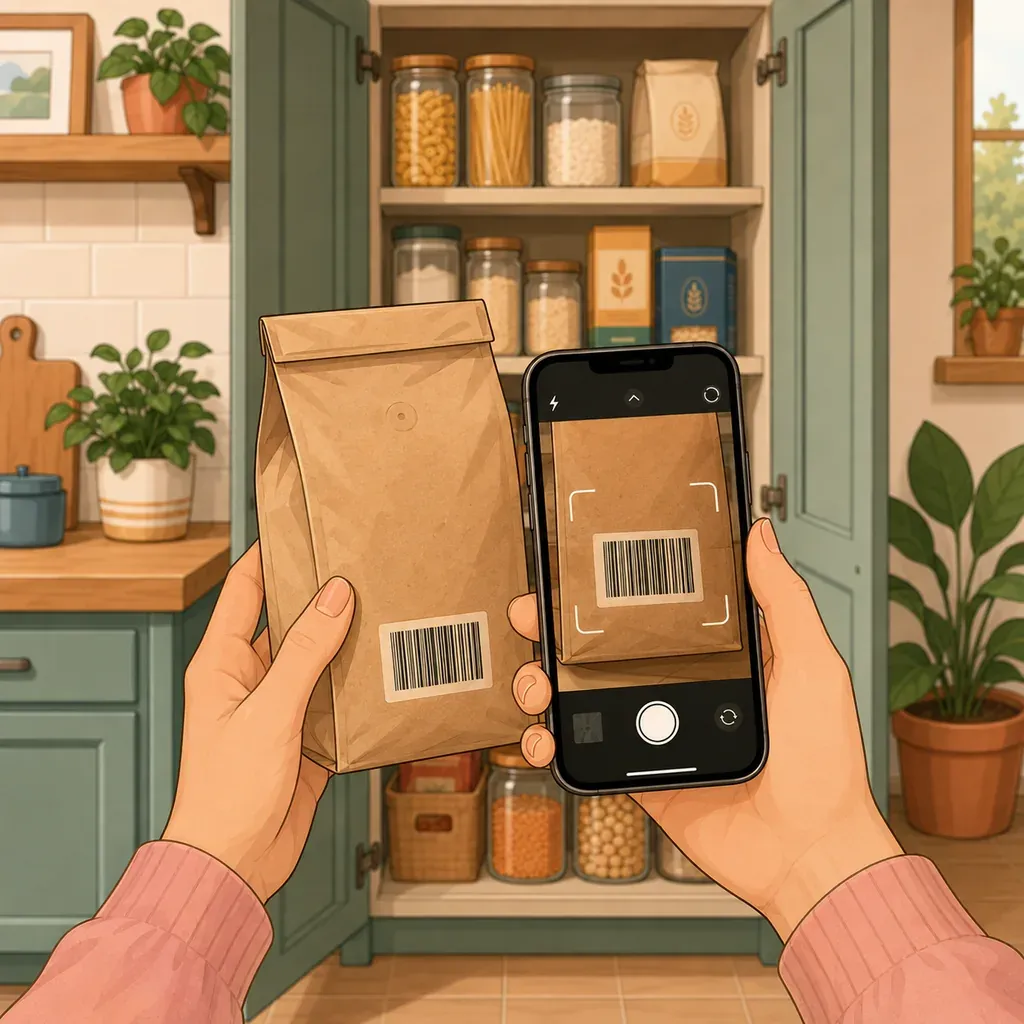
Point the camera at the barcode. The product name and its category fill in automatically. You add a quantity if you want one, a date if a date matters, and move on to the next thing.
The second benefit is one people notice later: consistent naming. Typed by hand over six months, the same product becomes “canned tomatoes”, “tomatoes, chopped” and “toms”. Those are three different products as far as any list is concerned, so counting stops working and searching stops finding. Scanned entries carry the same name every time.
Where the data comes from, and what that means
Barcodes are looked up in Open Food Facts, a free, community-run food database. It is worth knowing this rather than assuming there is a private catalog behind the app:
- coverage is genuinely good for supermarket products in most European and North American markets;
- it is patchier for store brands and regional items;
- when a product is incomplete, anyone can complete it, and that fix helps everyone who scans it afterwards, not just you.
That last point is why the app tells you when a product is incomplete instead of quietly filling in a guess.
Scanning is a way in, not a rule
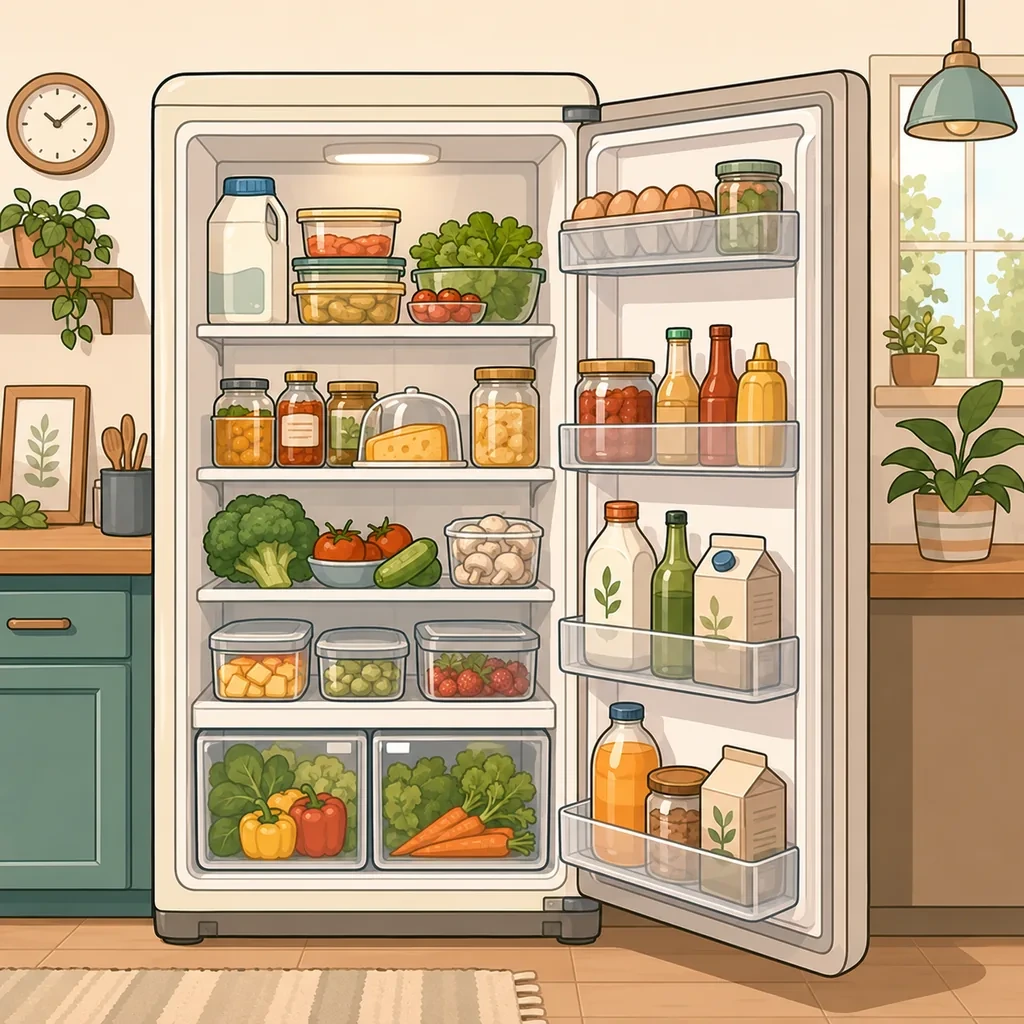
Plenty of a kitchen has no barcode. Fresh produce, bakery goods, market vegetables, anything from a bulk bin, anything you decanted into a jar. Those get typed, and it takes seconds.
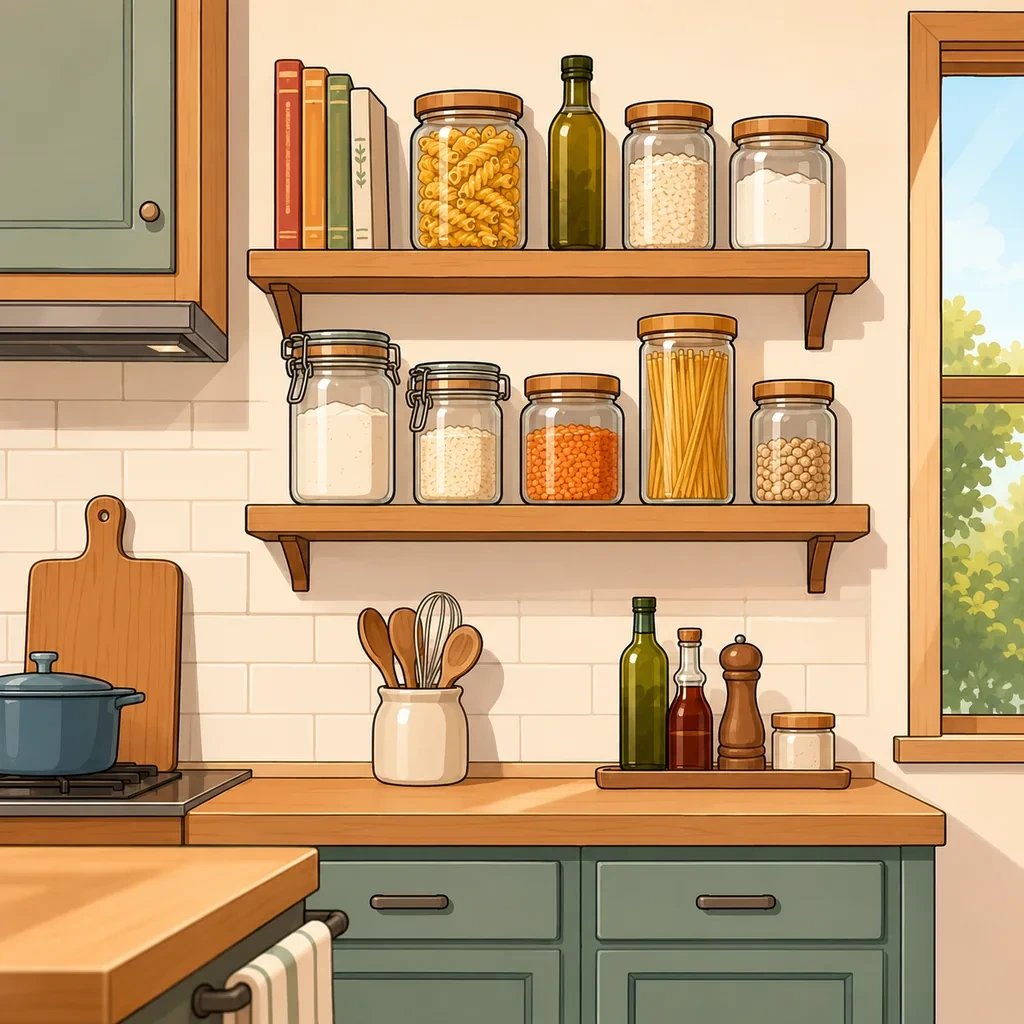
The useful way to think about it: scan the boring shelf-stable things you buy repeatedly, because those are the ones you forget you own and buy twice. Type the fresh things, because there are fewer of them and they do not last long enough to be forgotten.