One kitchen is a simplifying assumption
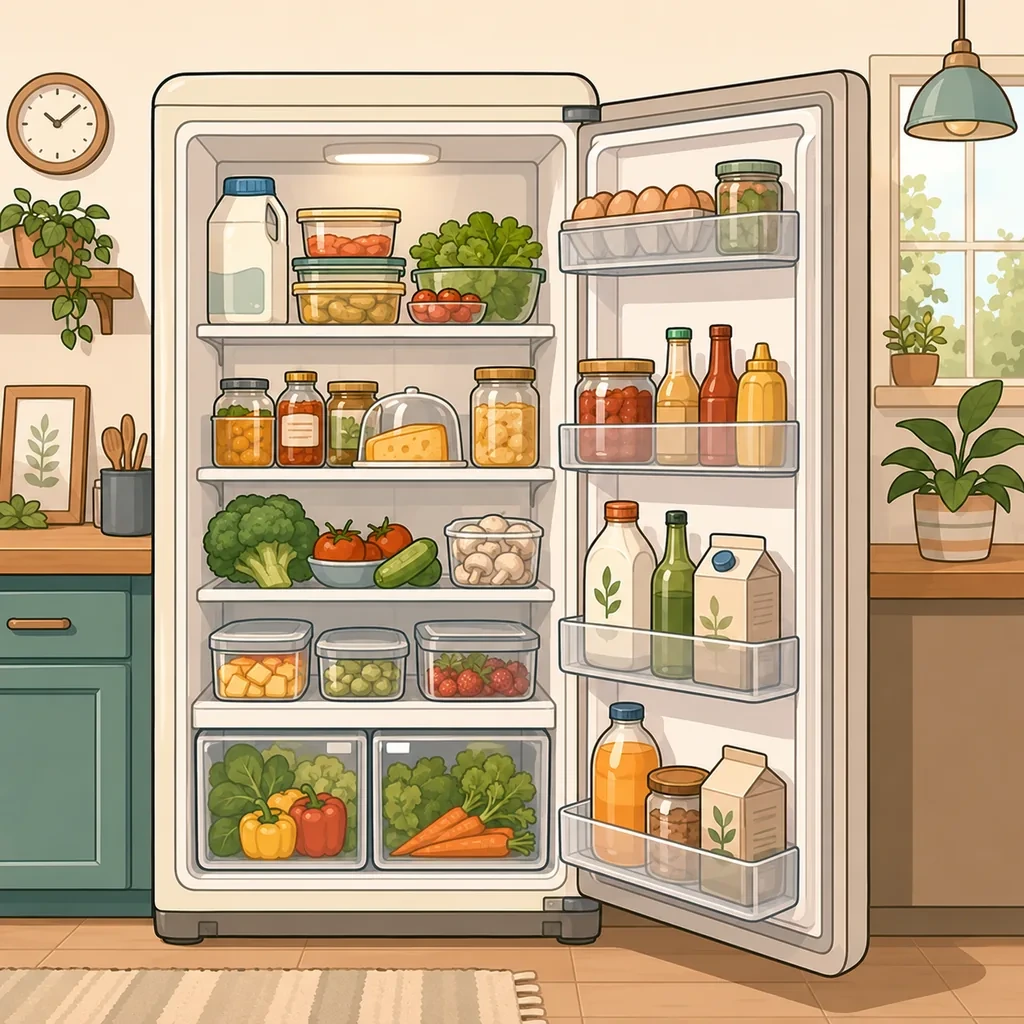
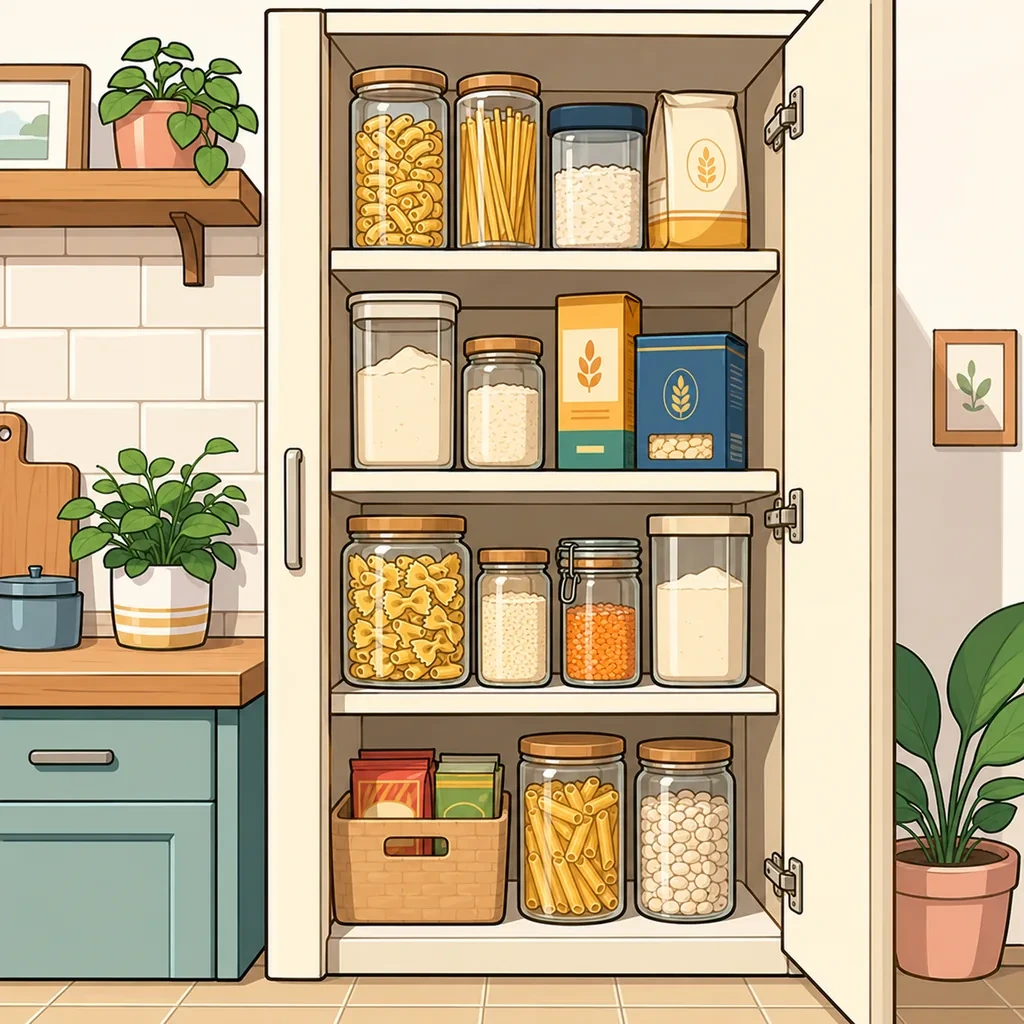
It is also usually wrong. A typical household stores food in at least three places with completely different rhythms:
- the fridge, where the unit of time is days and the risk is forgetting;
- the freezer, where the unit is months and the risk is unidentifiable bags;
- dry storage, where the unit is years and the risk is buying duplicates.
Add a chest freezer in the garage, a cellar, a desk drawer at work, or a camper van that gets loaded twice a year, and a single flat list stops being useful. It becomes a list where nothing has a location, which is the same as no list.
Separate places, one account
Each place gets its own inventory. The garage freezer is not mixed into the kitchen, the holiday home is not mixed into either, and opening the app shows you the one you are standing in.
They stay connected where it helps: a product moves from one place to another without being retyped, so unloading the chest freezer into the kitchen fridge is a transfer rather than a re-entry. And you can share one place without sharing the others, which matters more than it sounds, sharing a family kitchen should not mean sharing the contents of a second home.
Structure, only when the size demands it
A new inventory should not arrive with a folder tree. Start with one flat list and let it grow. When it gets long enough to be annoying, break it into sublists that match how your shelves are really arranged, rather than a template someone else designed.
Reorganizing later never destroys anything. Adding structure, moving a product, creating a place: none of it removes what is already recorded.
Non-food is the part people underestimate
Cleaning supplies, medicine, toiletries, pet food, batteries, light bulbs. These share a property that makes them worse than food: they do not visibly go off, so nothing reminds you they are nearly gone until the moment you need one.
They behave identically in the app. Name, quantity, an optional date, an icon so you can find it by eye. A lot of people set out to inventory their pantry and discover the shelf of cleaning products was the thing that was actually costing them.