A student budget is often lost in the food that gets forgotten
Grocery costs are not only about prices. They also rise when another package is bought while one is still in the cupboard, when a planned meal is missing one ingredient, or when food reaches its date during a weekend away.
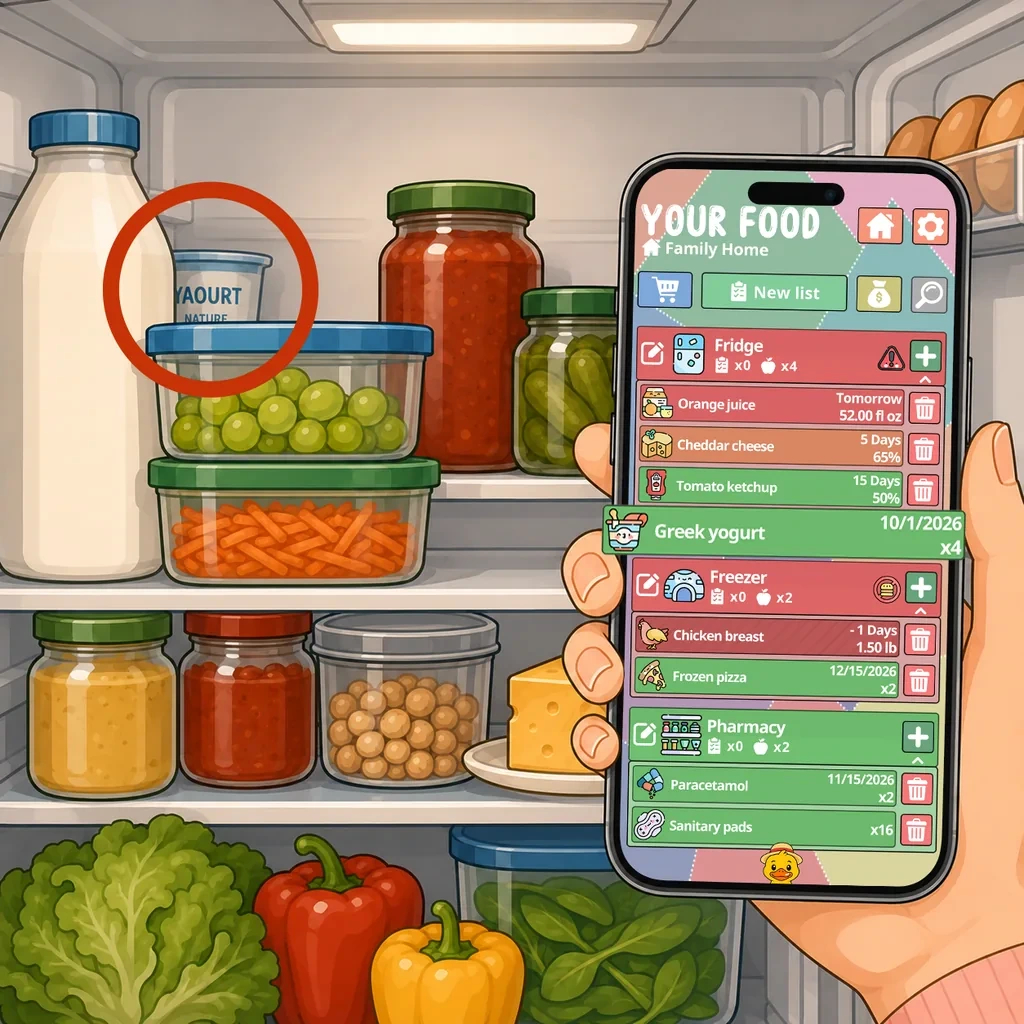
A dorm room or student apartment does not leave much space for buying on a guess. Opening Your Food before going out shows the quantities already at home, what belongs on the shopping list and what can wait until next week.
A small inventory should take little effort
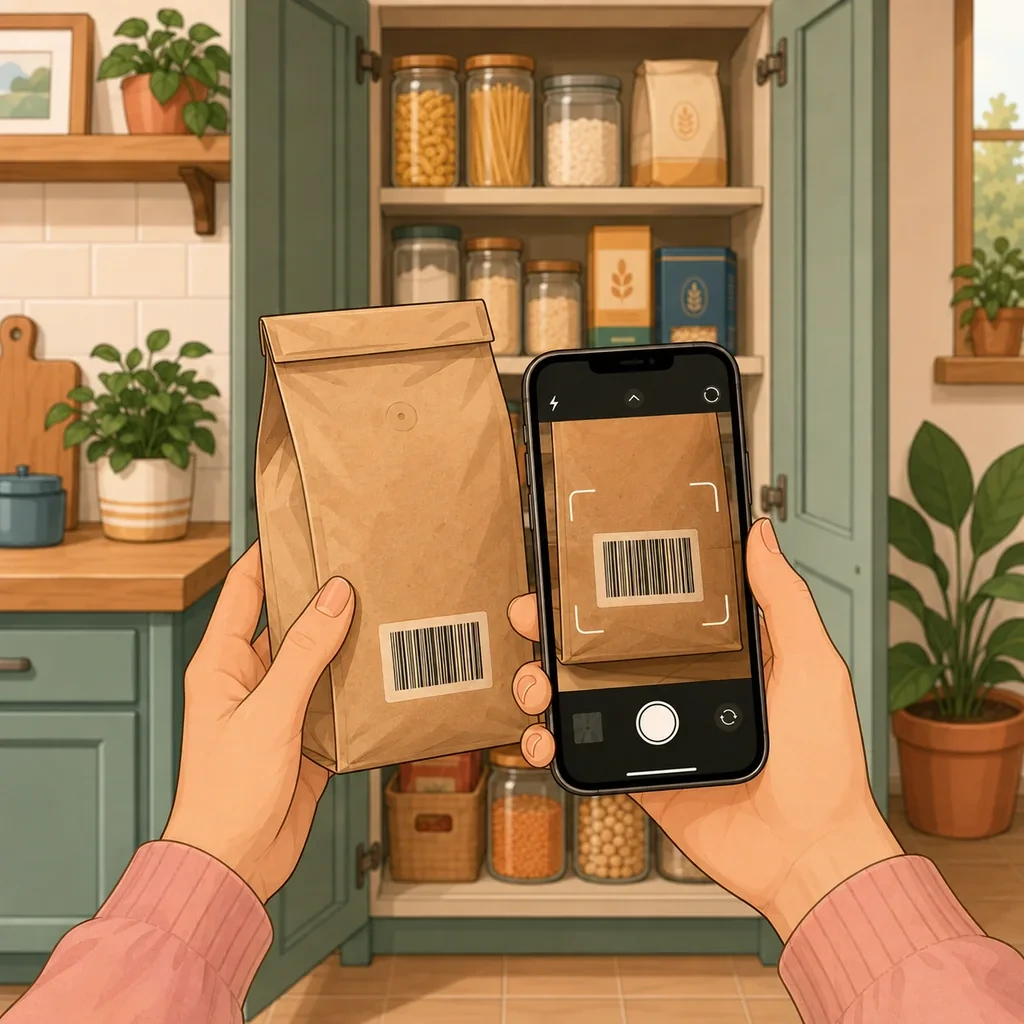
The system should not cost more time than it saves. Barcode scanning speeds up the products you buy regularly. Icons make the list easy to read without opening every item. Dates stay optional for food that does not need one.
You can begin with the fridge and the products that cost the most, then add the cupboard or freezer once the habit feels natural. There is no need to catalog the whole kitchen in one evening before the app becomes useful.
See the next few days before buying more
Reminders point to food while there is still time to use it. The timing can be adjusted for each product. Yesterday’s leftovers and a sealed bag of rice do not need the same warning.
This view is useful before leaving for a weekend, heading home between terms or facing a week when meals will be irregular. Food that needs attention can be eaten, frozen or given away instead of being found too late.
A shopping list that knows what is already there
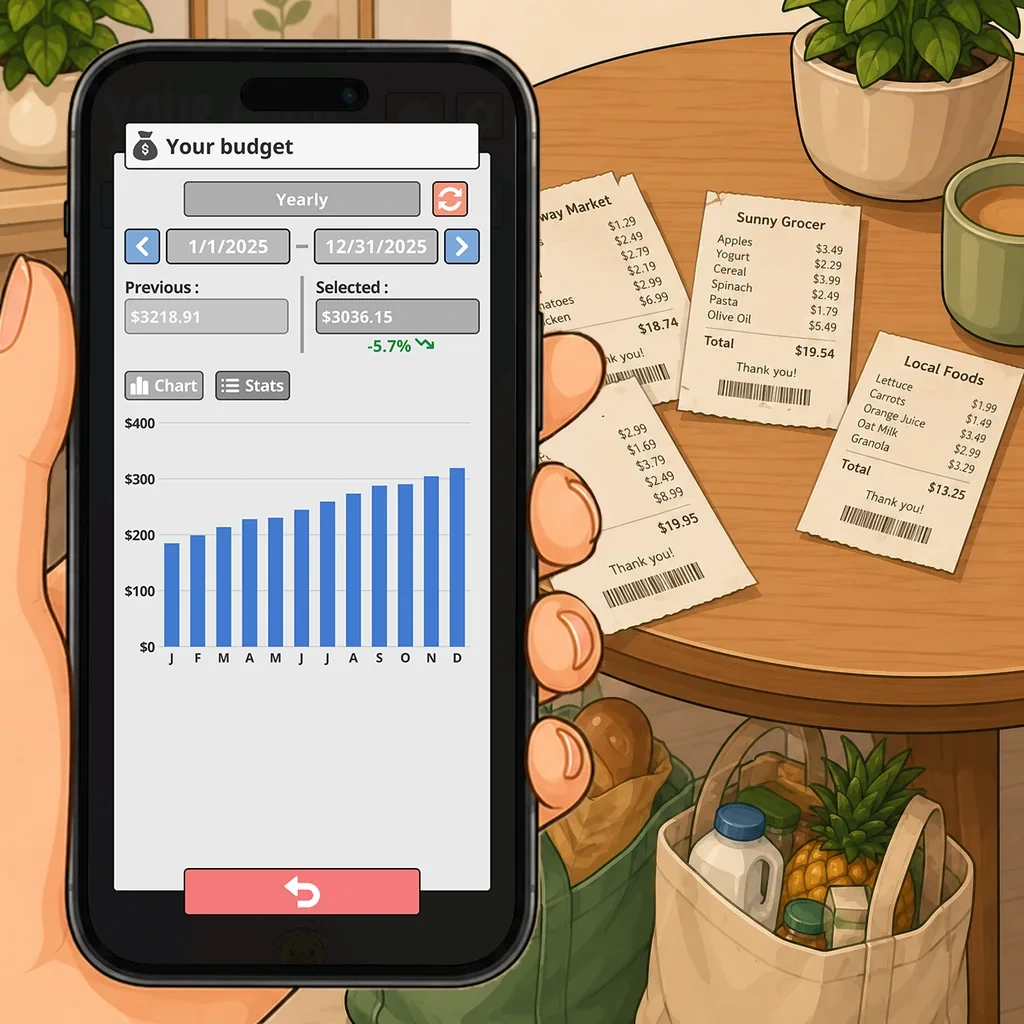
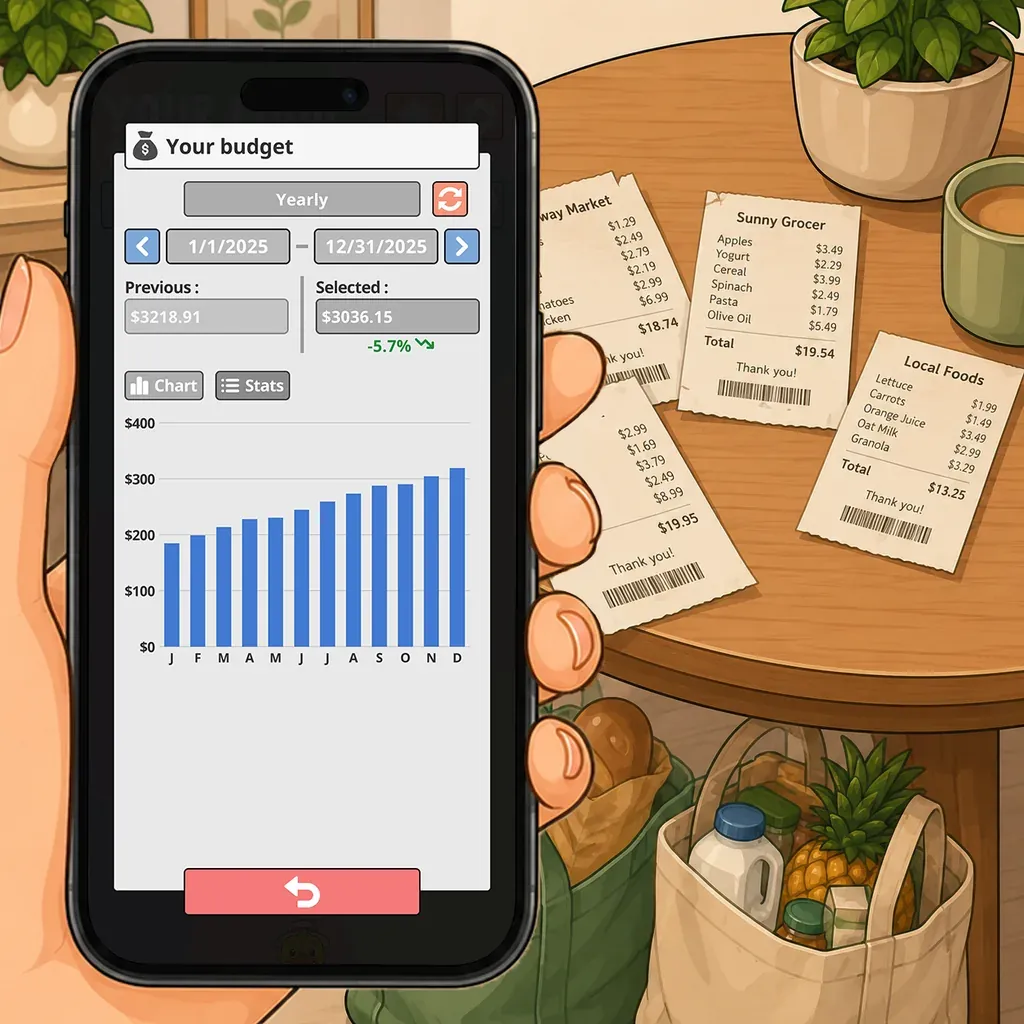
The shopping list is connected to the inventory. You can check what is missing without trying to picture the cupboard from the middle of the store. Budget tracking then gives you a clearer view of recorded spending and the habits that actually affect the month.
The result is practical. Fewer duplicates, fewer forgotten products and a more realistic idea of what the next grocery run should cost.
Ready if the kitchen becomes shared
Moving in with roommates does not mean starting again. Premium supports several inventories and lets you share the ones that belong to the household. One person buys Premium for the inventories they create, and invited members can take part without buying their own access.
Personal food can stay separate while shared basics have their own clear place. The same app can therefore work in a dorm, a studio or a shared apartment without forcing every household to organize food in the same way.