Waste is a timing failure, not a character failure
Almost nobody throws food away on purpose, and almost nobody is careless about it. The pattern is far more specific than that.
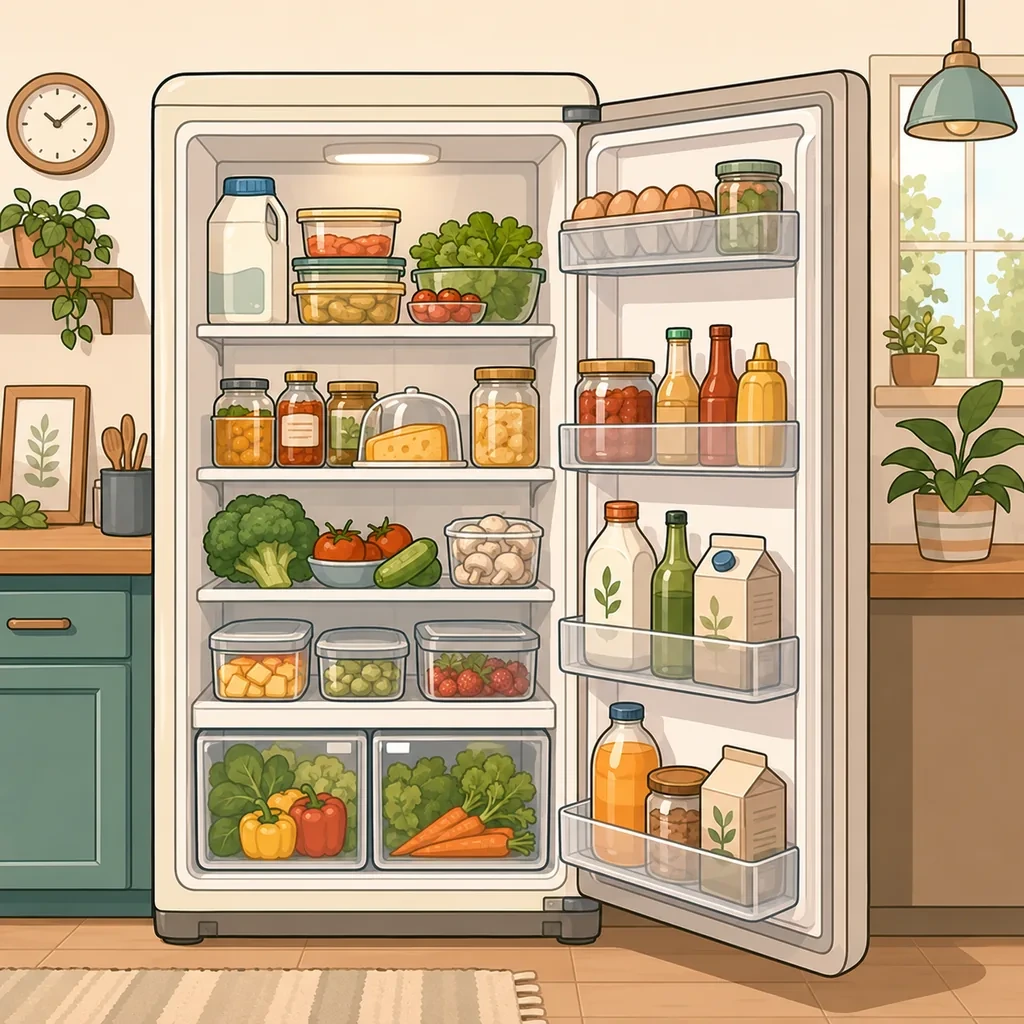
Something is bought with a genuine intention. It goes into a fridge or a cupboard where it is not visible. The intention decays, because intentions do without a reminder. Then it is discovered, past its date, at a moment when the only available action is throwing it away.
At every step the information existed. It just never arrived at a moment when it could change anything. That is the thing worth fixing, and it is fixable without anyone becoming a different person.
The three changes that do the work
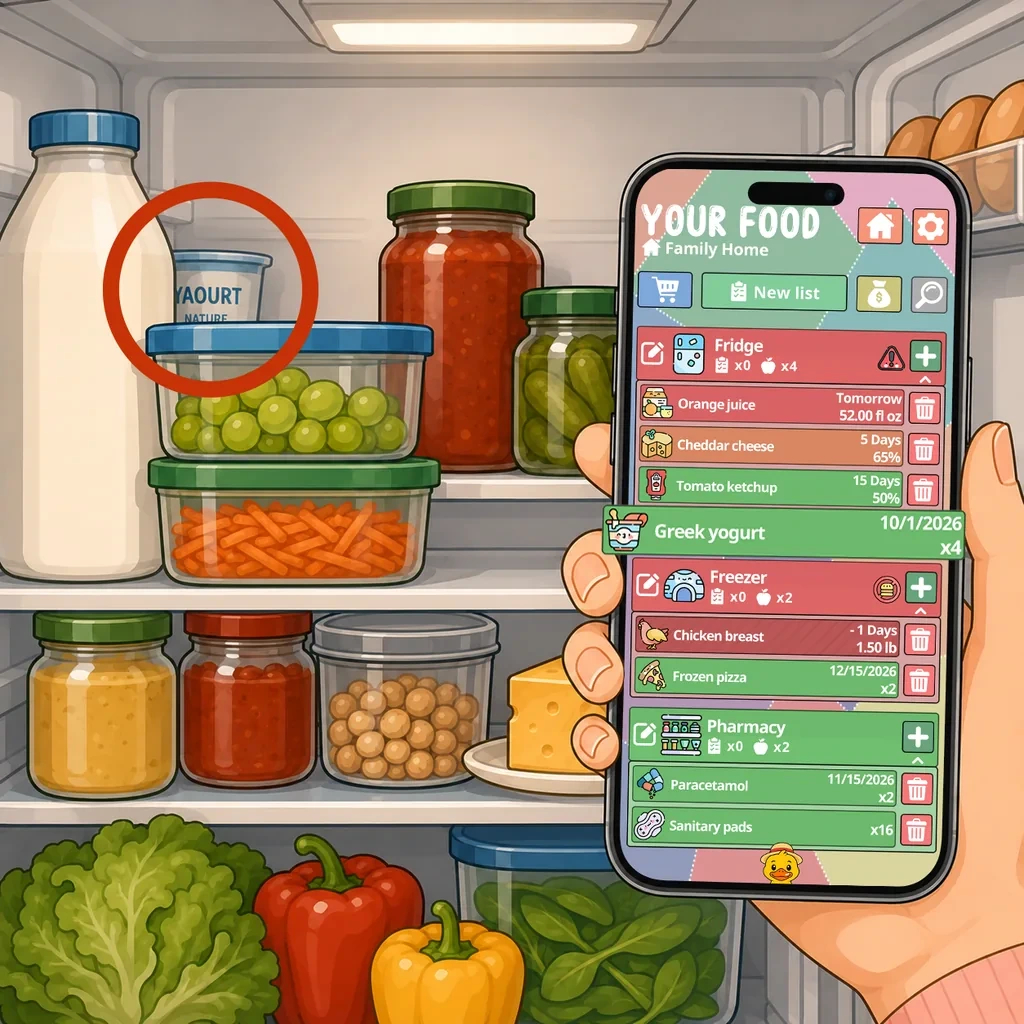
1. Make the stock visible. Most waste starts as a forgotten product rather than a bad decision. An inventory you can open in the kitchen, or in the store, removes the forgetting.
2. Move the warning earlier. A date matters on the day you can still cook with it. A reminder set per product, a few days out, converts “this expired” into “use this first”.
3. Cook from the stock, not from the recipe. This is the one that compounds. Once you can see what is in the house, meal planning naturally starts from what should go first. Nothing about that requires meal-prepping or a weekly plan.
The money is the part that makes it stick
Environmental arguments are true and they are not what changes behavior in a kitchen at seven in the evening. The budget is.
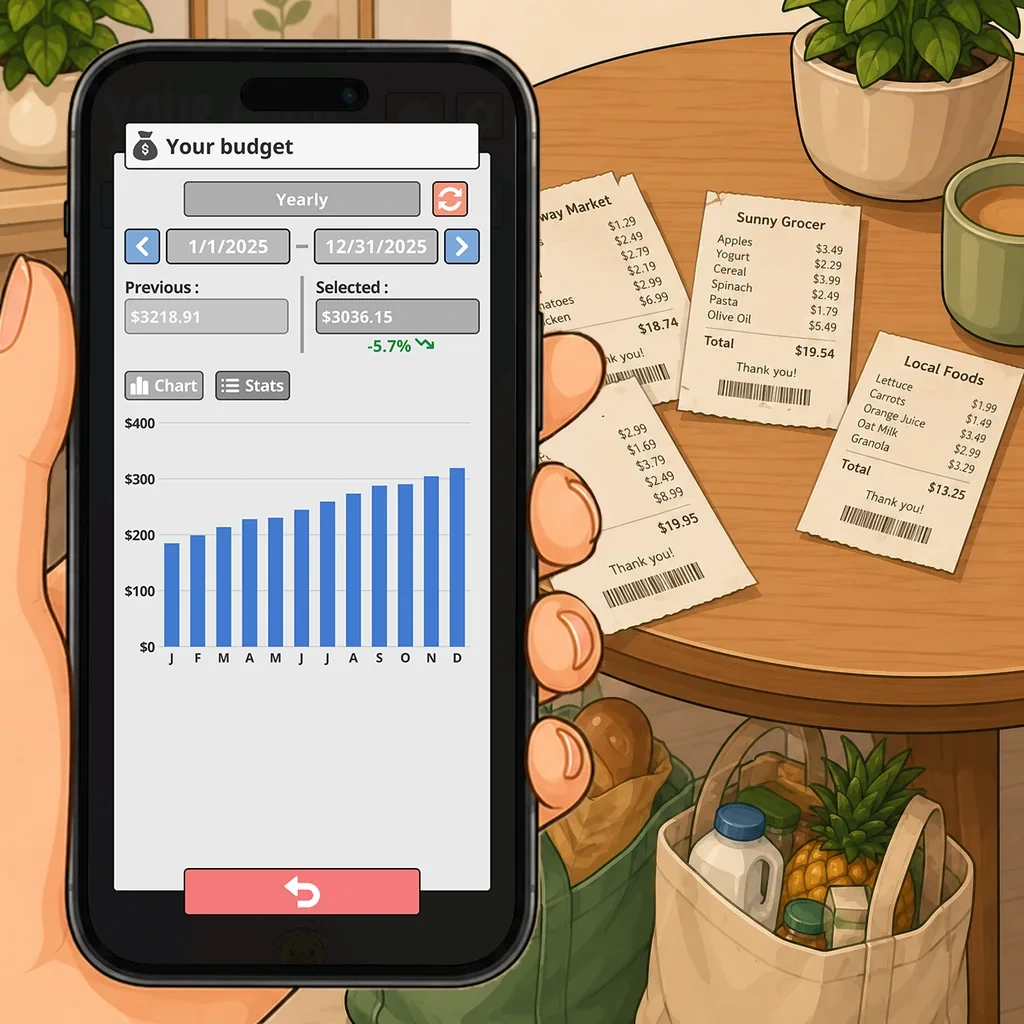
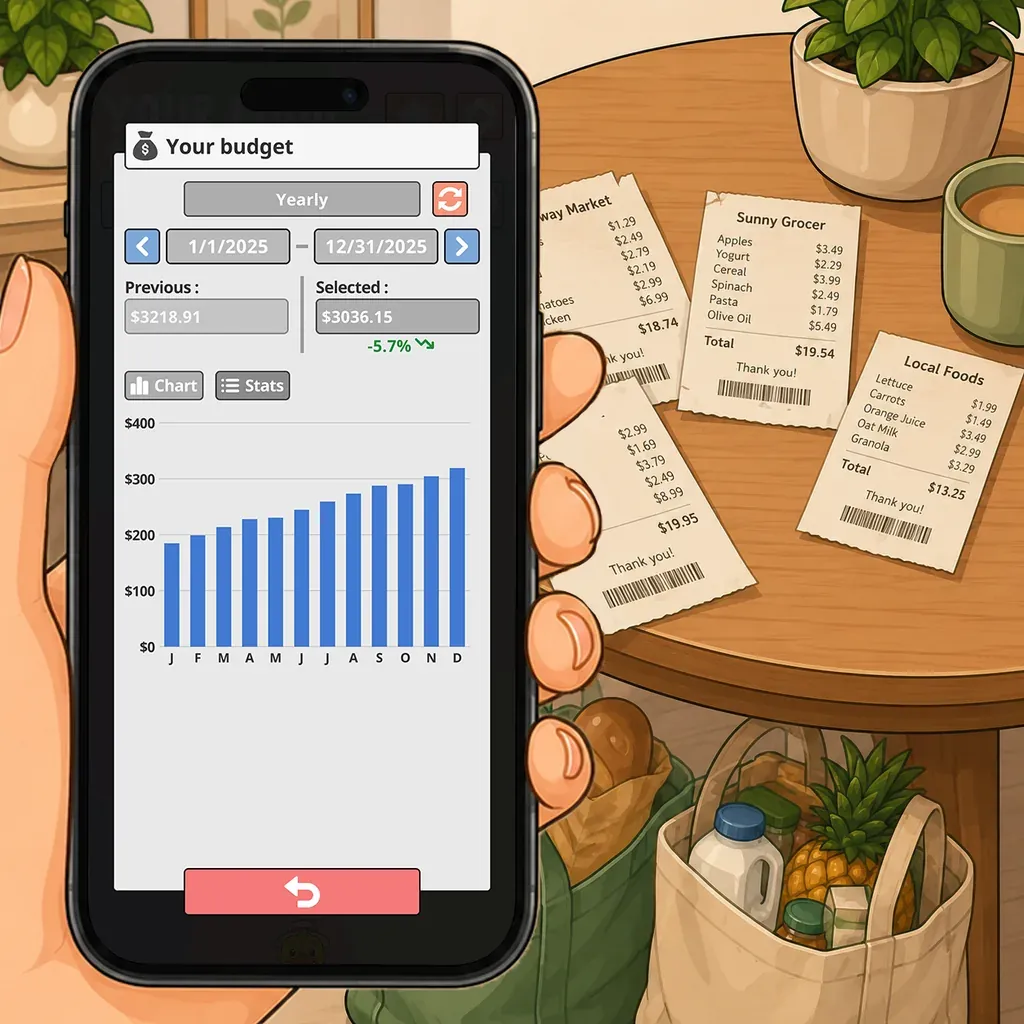
Record prices as you add products and the app follows spending by week, by month and by year. The total tells you little; the pattern tells you everything. Almost every household discovers the same thing: the expensive weeks are the ones where a big grocery run landed on top of a cupboard that was already full.
That is a specific, fixable behavior, and it is invisible until something is counting.
What this app does not do
It does not weigh your trash, ask you to log failures, or send you anything that could be described as a nudge. There is no streak to maintain and nothing turns red.
It keeps a list of what you have and tells you what should be used first. Most of the waste in an average household is downstream of not having that, which is why the plain version of this is enough.